If you're running Google Ads and burning through your budget without getting inquiries, this is probably why: you're targeting the wrong type of keyword.
Not every keyword is created equal, and not every searcher is ready to buy. That's where buying intent keywords comes in — and once you understand the difference, it changes how you approach your entire Google Ads strategy.
Every purchase starts with a problem.
Someone identifies a need, they start searching, and they work their way toward a decision. But the keywords they use at the beginning of that process are very different from the ones they use when they're ready to pull the trigger.
Research intent keywords are used early — when someone is still figuring out what they need. Think: “how do I fix a broken window” or “what type of pool is best for a small backyard.” These searches are gathering information, not looking for a quote.
Buying intent keywords show up later, when the searcher already knows what they want and is ready to find someone to provide it. Think: “window installation near me” or “pool contractor pricing Kansas City.” These are the searches that convert.
The mistake a lot of businesses make is targeting research keywords in their Google Ads. You pay for the click either way — but if the person is just browsing, they're not booking. Your ad budget disappears and you have nothing to show for it.
You don't need a complicated system for this. Start with what your ready-to-buy customer would actually type when they've already done their research and just need to find someone. A few things to look for:
For most small businesses, you're looking for 5 to 20 solid buying intent keywords. That's it. You don't need hundreds. You need the right ones — the ones people type when they're ready to hire someone.
Google Ads charges you per click. Every time someone clicks your ad — whether they're ready to buy or just window shopping — you pay. So if you're targeting broad research keywords, you're paying for a lot of traffic that was never going to convert. That's how small budgets get burned fast and business owners decide “Google Ads doesn't work.”
Buying intent keywords fixes this because you're targeting people who are already at the decision stage. They've done the research. They know what they want. Now they're looking for who to hire. When your ad shows up for that search, you're in the right place at the right time. That's when clicks turn into calls and form fills.
It's also why you don't need a massive budget to see results. I run Google Ads campaigns for clients spending $10 a day. Done right — with tight buying intent keywords, the right match types, and a page that actually speaks to someone ready to buy — that's enough to generate consistent leads. You don't need thousands of dollars a month to make Google Ads work. Period.
The other tool that works hand-in-hand with buying intent keywords is your negative keyword list. Negative keywords tell Google which searches you don't want to show up for — and they're one of the most underused features in Google Ads. If you're a window installation company, you probably don't want to show up for “how to fix a broken window yourself” or “DIY window replacement.” Those are research and DIY searchers, not buyers. Adding “how to,” “DIY,” “free,” and “tutorial” as negative keywords filters that traffic out before it ever hits your budget. The result: your ad dollars go further because you're only paying for clicks from people who are actually looking to hire someone, not learn to do it themselves. Ready to try those out? You can grab my Negative Keyword Guide for only $9.
This doesn't mean research keywords are worthless — they're just better suited for your SEO content strategy, not your ad spend. Blog posts, FAQs, and service pages can rank organically for research-intent searches. That's where you educate and build trust over time.
Your Google Ads budget should be protected for buying intent. Let SEO do the awareness work. Let paid search close the gap for the people who are ready right now.
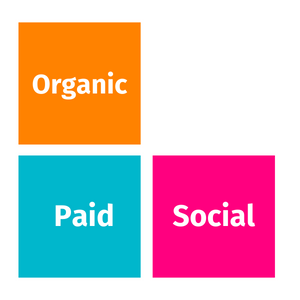
There are 3 ways to get visible online: paid, organic, and social. Each one has a job. When you use buying intent keywords in your Google Ads, you're making sure your paid channel is doing its job — getting you in front of people who are ready to buy, not just browse.
If you're not sure whether your current Google Ads are targeting buying intent keywords — or if you're not running ads at all yet and want to start without wasting money figuring it out — that's exactly what I help small businesses with. Book a discovery call and let's chat.
 Welcome! My name is Glenneth and I live in beautiful East Tennessee. I wear many hats: CEO of The Visibility Method, SEO & Google Ads Expert, content creator, and more. I love technology, social media, and weight lifting. My favorite place to hang out is the hammock in my backyard. My favorite colors are pink and orange. My favorite team is the Vols. And I LOVE to get email so please drop me a note and say hi!




[…] The first key step in improving your Etsy SEO is finding the best relevant keywords for your shop and your item listings. Finding relevant keywords starts with understanding your customers and why they might search for your products. If you’re struggling to think of relevant, specific keywords, here are some tips. First, think like a shopper! What words would you search for if you were trying to find your products or shop as a consumer? This also will apply to the tags you use within your listings. Another idea is to dig through your Etsy reports. Etsy has a native reporting tool built right in that offers important insights into how people tend to find your listings—it shows the actual search terms that led to your listings. To check this out for yourself, click “Shop Manager” on your Etsy dashboard, and then click “Stats.” Related: Buying Intent Keywords: What Are They and Why Do You Need Them? […]